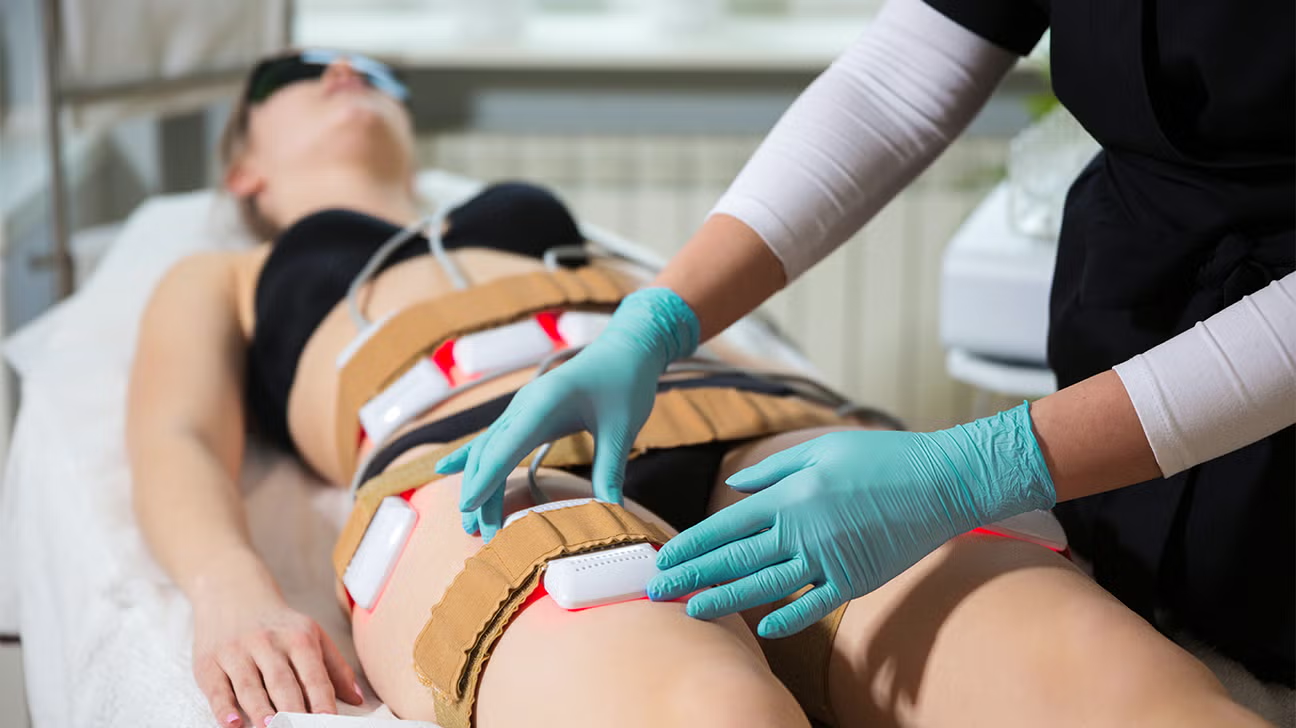
Before starting red light therapy, it’s important to understand what the belt actually does. A red light therapy belt uses low-level red and near-infrared wavelengths to support muscle recovery, reduce aches, and improve circulation. Knowing the basics helps you use it confidently and consistently for better results.
Always place the belt directly against your skin—not over clothing. Red and infrared light must penetrate the skin to reach the tissues beneath it. Fabric absorbs or blocks the light, reducing its effectiveness. Direct contact ensures your body receives the full benefit of each session.
Use the belt for the recommended amount of time, typically 10–20 minutes per area. Longer sessions don’t always mean better results and may cause unnecessary warmth. Sticking to the recommended time helps your body respond naturally and safely to the light therapy.

Consistency is key. Red light therapy works gradually, meaning results build over time. Aim for 3–5 sessions per week, or follow the instructions that come with your device. The more consistently you use it, the more noticeable the improvement in comfort, flexibility, and recovery.
Target specific problem areas instead of moving the belt too quickly between spots. Whether you’re treating your lower back, abdomen, knees, or shoulders, focusing the therapy on one location per session helps the light penetrate more effectively and produce more meaningful results.

Keep your skin clean before each session. Lotions, oils, and sweat can reflect or scatter the light, reducing its absorption. A quick wipe or wash ensures your skin is clear and ready to receive the full benefits of the treatment.
Pair red light therapy with healthy habits. Hydration, stretching, and gentle movement all help improve circulation, making the effects of the light therapy stronger. Some users also combine it with regular exercise or recovery routines for enhanced results.
Monitor how your body responds. Everyone experiences red light therapy differently, so pay attention to improvements such as reduced discomfort, increased mobility, or faster muscle recovery. If needed, adjust your session length, frequency, or placement areas to better fit your goals.
