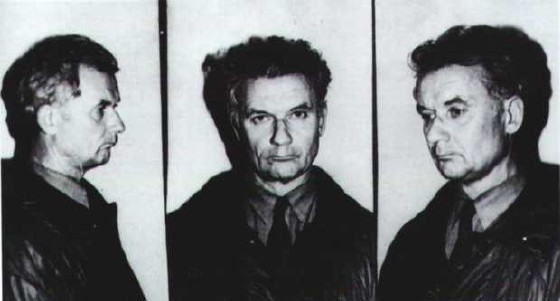
In the shadowed years of the Soviet Union, few names inspired as much fear as Andrei Chikatilo, a man later known as “The Butcher of Rostov.” Born in 1936 in rural Ukraine during the harsh era of famine and war, Chikatilo grew up in poverty, hunger, and constant anxiety. These early hardships shaped a troubled mind long before the world learned his name.
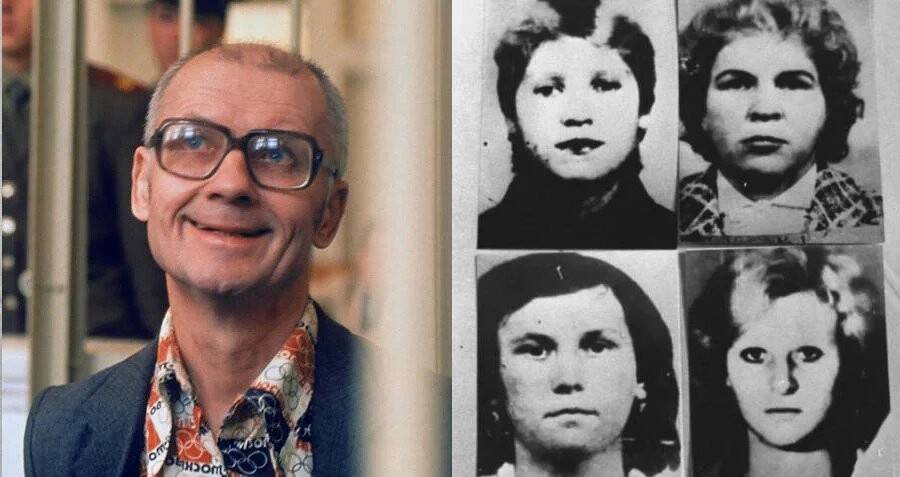
As he grew older, Chikatilo led a life that seemed ordinary from the outside. He worked as a teacher, married, and had children. Yet underneath this normal exterior was a man battling deep psychological struggles—feelings of inadequacy, frustration, and emotional isolation. His inability to form healthy connections pushed him toward increasingly dark thoughts.
By the late 1970s, those hidden impulses began to surface. Chikatilo turned to train stations, bus stops, and secluded forest paths to find vulnerable individuals. He targeted those who would not be immediately missed—runaways, travelers, and people on the margins of society. For years, he moved silently across southern Russia and Ukraine, leaving law enforcement desperate for answers.
The Soviet police launched one of the largest manhunts in the country’s history. However, political pressure, outdated investigative methods, and the secrecy of the Soviet system allowed Chikatilo to slip through their fingers repeatedly. The authorities refused at first to acknowledge the existence of a serial killer, believing such crimes only occurred in “decadent Western nations.”
Despite thousands of interviews and countless patrols, Chikatilo remained elusive. Investigators struggled to connect the crimes, and several innocent men were accused along the way. The fear across Rostov and surrounding regions grew as bodies continued to appear, each discovery increasing the pressure on the fragmented investigation.
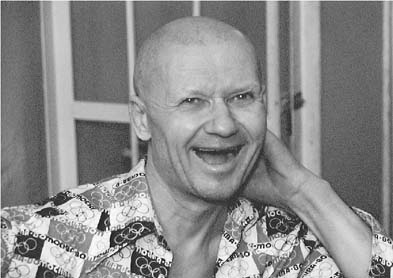
The breakthrough finally came in 1990, when undercover officers noticed Chikatilo behaving suspiciously near a train station. After tailing him and comparing his movements with known crime locations, police gathered enough evidence to bring him in for questioning. At first, he denied everything—but his façade soon began to crumble.
Once confronted with evidence, Chikatilo confessed in chilling detail. His confession shocked even hardened investigators. The trial that followed was a media spectacle, drawing national attention and revealing the extent of his crimes. In 1992, he was convicted and sentenced to death, marking the end of one of the Soviet Union’s most disturbing criminal cases.
Andrei Chikatilo was executed in 1994, but his legacy lives on as a stark warning about the dangers of neglect, secrecy, and psychological trauma left untreated. His case pushed Russian authorities to reform their investigative methods and acknowledge the reality of serial offenders. The story of the Butcher of Rostov remains one of the darkest chapters in modern criminal history—and one that continues to fascinate, horrify, and remind the world of the shadows that can hide behind an ordinary face.
