Spring is coming and the time for starting seeds is upon us. We know that fast and healthy seed germination is key to ensuring successful gardens from the beginning. But how do we make sure that happens?
Whether you’re starting indoors, outdoors, or a bit of both, there are some great ways to get your plants growing faster. These same habits can also give you a more successful germination rate.
If you’re interested in getting off to a faster, stronger start this season, I have some tips that can get you there. Let’s dig in and make our seed germination faster than ever!
Epic Seed Starting Heat Mat

This Epic Seed Starting Heat Mat is a must for heat-loving plants such as peppers, eggplants, and tomatoes. Easy to use – simply roll the mat out, place your seed trays on top, and plug into a standard outlet.
Pre-Soak

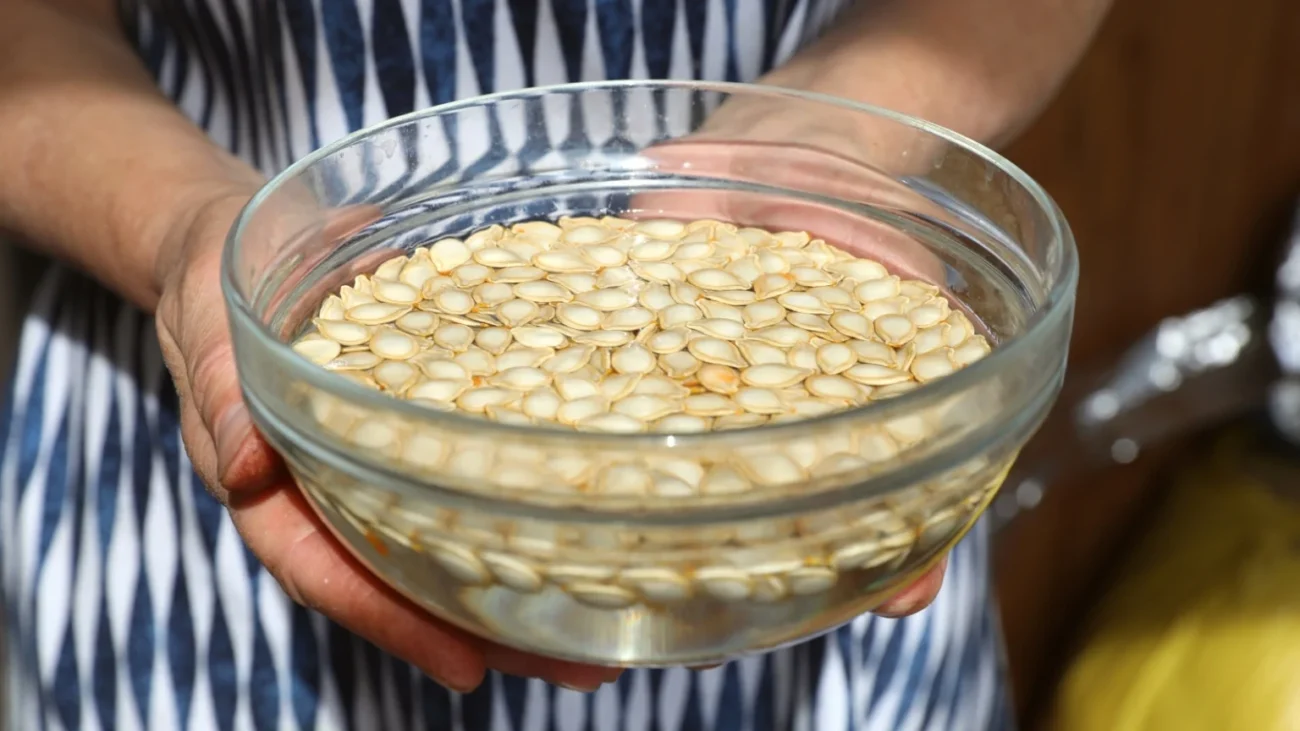
Many types of seeds benefit from a good soaking before sowing. Soaking them mimics the natural process they go through in the spring. This is when the snow melts, and spring rain rehydrates them after staying fairly dry and cold all winter. It can increase your germination rate, as well as speed it up.
Most plants have a specific set of circumstances that they need in order to germinate. Some need light, others darkness, and so on. However, when it comes to water, they are universal. All seeds need moisture to initiate germination, and more moisture can make the process even faster.
However, they also need oxygen to carry out this process, so overdoing the soaking process can be detrimental. It’s important to identify which ones to soak and for how long.
Now, soaking doesn’t work for all of them. For those that are tiny, soaking can make sowing them much more complicated. It can make them stick together in clumps, and then it’s more difficult to control how many go in one cell or hole. For those with a hard shell and larger ones, soaking typically has benefits.
Scarify

Scarification is something you can do before soaking to speed up the sprouting of some seeds with tough outer coatings. Remember that they all need water in order to germinate; soaking them helps, but some have extra tough shells.
Some plants adapt to their climate, protecting their seeds from early germination with this hard coating. The natural weather processes break down the coating over the winter, keeping your plants from sprouting too early and dying from a late frost. Those that you start in spring won’t go through this natural process, so they may need some assistance. Just like soaking, you’ll need to determine if the seed in question benefits from scarification before carrying it out.
Scarifying is a process of creating a hole or scratch in the hard coating to better allow water to reach the embryo. This is the part containing the potential plant. It’s a tiny plant with a root, stem, and leaves. Water gets in and rehydrates the embryo, causing it to expand and grow.
For those with harder shells, scarifying creates a more direct path for moisture to get inside. Thus, it speeds up the process of hydration and expansion of the embryo.
Use a High-Quality Seed Starting Mix

While it’s true that you can start your seeds in regular potting soil, it’s not necessarily the best. Traditional potting mixes can contain larger particles. This can make it difficult for young, developing roots to move freely through. They may also contain greater amounts of nutrients and fertilizer than your young seedlings need.
A high-quality starting mix will contain loose, lightweight materials and be less nutrient-dense. These factors contribute to faster root development and support the needs of young plants. Too many nutrients can burn those delicate roots.
Another issue with regular potting soil is that it often holds more moisture. Young plants need excellent drainage. Otherwise, their fine roots and stems can easily rot. If you’ve ever ended up with a tray of withered seedlings, you may have encountered a fungal issue caused by overwatering.
Ensure the Right Light

When it comes to light and germination, not all plants are the same. Some need light to sprout, while others require darkness. Just like some need cold stratification to germinate, and others don’t. It’s important to pay attention to this factor when you sow them, whether directly in the ground or indoors.
Pay Attention to Soil Temperature

Soil temperature is another important factor in the speed of germination. All seeds have a temperature at which they germinate best and fastest. For most, this falls into an average range of 68 to 86°F (20-30°C), but they all have a specific, ideal temperature.
When you sow seeds outdoors, they will naturally begin the process when the soil reaches its optimal temperature. This gives you less control over planting and harvesting time, but it’s less work overall.
When you start indoors, you have more control over the environment, which will often result in faster-growing, more robust seedlings. There are some that you shouldn’t start indoors, however. We will get to that in a minute.
Start Indoors and Outdoors

Coming back to the idea of starting indoors versus directly sowing in the garden, not all seeds need the same thing. Some have a better, faster road to sprouting when you get them going indoors. Others don’t transplant well, so they perform best when you directly sow them.
Keep Them Moist But Not Soggy

Finally, when it comes to moisture, all plants don’t have the same needs, but most seedlings do. The most important commonality that young plants share is the need for proper drainage. Delicate roots and stems that stay wet all the time are highly susceptible to fungal infection, which will kill them quickly.
